
The Grocery Clerk Who Broke the Paycheck-to-Paycheck Cycle
Share this story
Every Other Friday
Every other Friday felt exactly the same.
Michael would check his bank account before leaving work at Harrison's Market in Springfield, Missouri. His paycheck had arrived overnight.
For a few brief moments, he felt hopeful.
Finally, he could breathe again.
But by the following weekend, the money was already slipping away.
A dinner with friends. A new pair of sneakers he didn't really need. A few online purchases that seemed harmless at the time. Coffee every morning instead of making it at home.
By the middle of the month, he'd stare at his banking app wondering the same thing he asked himself every payday.
"Where did it all go?"
Then he'd count the days until the next paycheck.
Again. And again.
The Man Who Worked Harder Than Anyone
At twenty-four, Michael worked harder than almost anyone he knew.
Every morning before sunrise, he walked nearly forty minutes to Harrison's Market. He unloaded trucks. Stocked shelves. Helped customers carry groceries to their cars. Cleaned spills. Organized displays.
By the end of every shift, his feet ached so badly that climbing the stairs to his tiny apartment felt like finishing another day's work.
His apartment wasn't much.
A single room above an aging duplex on the edge of town. The air conditioner struggled through Missouri summers. Rain found its way through the old roof every spring. The mattress rested directly on the floor because buying a bed frame had never seemed like a priority.
Some nights he skipped dinner just to make sure he'd have enough gas money to get to work the next morning.
Still, he told himself things would eventually get better.
They had to.
His coworkers loved payday.
Every two weeks someone would text the group chat. "Who's coming out tonight?"
Michael almost always said yes. For a few hours, he could pretend everything was fine.
They ordered expensive burgers. Bought rounds of drinks. Talked about cars they couldn't afford and vacations they had no plans to take.
Someone always suggested taking pictures.
Smiling for social media was easier than admitting everyone at the table would probably be broke again within ten days.
Michael fit right in.
Until the money disappeared.
Then reality returned.
The Restaurant Window
One rainy Thursday evening, Michael walked home after another exhausting shift.
As he passed a neighborhood restaurant, the smell of grilled chicken drifted through the open doorway.
His stomach growled.
He reached into his pocket. Enough cash remained for a loaf of bread. Nothing more.
For nearly a minute he stood outside watching families enjoy dinner together. Laughing. Talking. Completely unaware of the young man standing outside trying to convince himself he wasn't hungry.
Eventually he lowered his head and kept walking.
That night he lay awake staring at the cracked ceiling above his bed.
"I work every single day," he whispered. "Why does nothing ever change?"
The following month looked exactly like the one before it.
Payday. Celebration. Impulse spending. Empty wallet. Waiting.
Michael had begun living in a circle with no exit.
Have you ever stood outside somewhere watching other people's ordinary lives and felt the weight of the gap between where you are and where you expected to be by now? Michael wasn't asking for luxury that night. He was asking for one warm meal. That distance, between working every day and still not having enough, is one of the most quietly devastating feelings in adult life.
Two Duffel Bags
Everything changed on a quiet Saturday evening.
He was walking home through his neighborhood just as the sun dipped below the trees. Children chased each other across front yards. Neighbors waved from their porches. The smell of barbecue floated through the warm summer air.
Then shouting broke the calm.
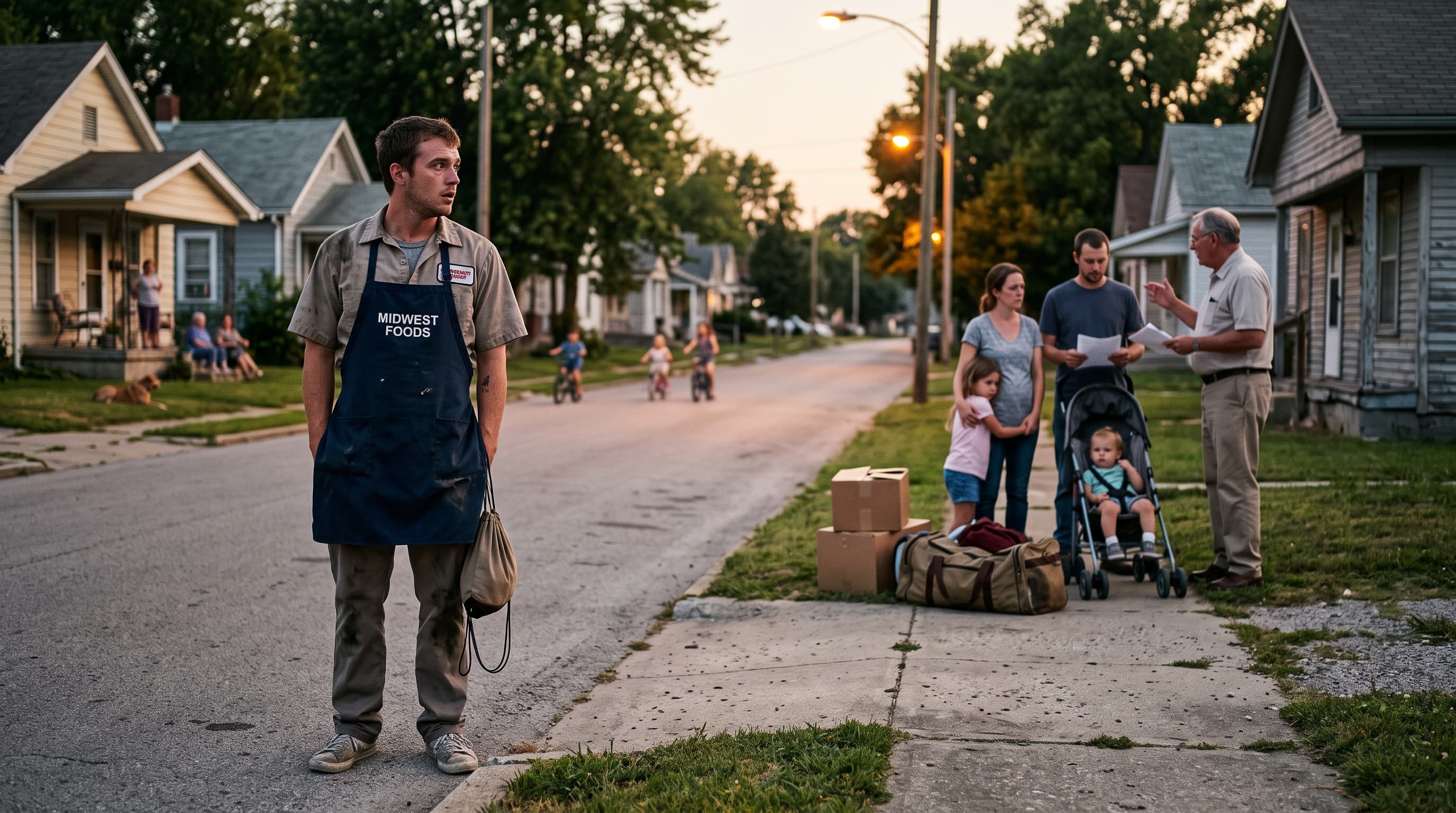
A landlord stood outside a small rental house. Across from him was a young couple with two worn duffel bags sitting on the sidewalk.
Their little daughter clung tightly to her mother's hand.
"We're trying," the husband pleaded. "I'll have the rent next month."
The landlord shook his head.
"I've heard that every month."
His voice echoed down the street.
"You work every day..."
He pointed toward the bags.
"...but you never plan."
Michael froze.
The words landed harder than they should have.
Because they didn't feel directed at the family.
They felt directed at him.
The family quietly gathered their belongings. The little girl looked frightened. The husband couldn't meet anyone's eyes.
Michael stood there long after they were gone.
For the first time, he imagined himself standing in that same driveway one day.
The thought terrified him.
The Library
The next morning, instead of sleeping late, Michael did something he'd never done before.
He walked into the Springfield Public Library.
He wandered through shelves of books until one title caught his attention.
How to Build Wealth on a Small Income.
He checked it out and carried it home.
That evening he sat on the floor beside his mattress and opened the first chapter.
The opening sentence stopped him cold.
"A small salary isn't your biggest problem. A lack of a plan is."
Michael read the sentence three more times.
It described his life perfectly.
He wasn't in this situation because of one bad decision. He was here because of hundreds of tiny decisions repeated every month.
When payday arrived again, his phone buzzed.
"Mike! We're meeting at The Corner Tap. Don't bail on us."
He looked at the messages for a long time.
Then he replied. "Not tonight."
Almost immediately came the jokes.
"What happened to you?" "You're getting old." "Live a little."
Michael smiled.
"I'm trying to make sure I can live comfortably later."
That evening he stayed home. He cooked pasta with vegetables instead of ordering takeout. It wasn't exciting. But it cost less than one appetizer at the restaurant his friends were visiting.
After dinner, he opened a small notebook.
At the top of the first page, he wrote four words.
Rent. Food. Transportation. Savings.
For the first time in his life, every dollar he earned had somewhere to go before he spent it.
Small Changes Nobody Noticed
The changes felt painfully small.
Some mornings he wanted expensive coffee. Some weekends he almost bought new clothes simply because they were on sale. Once he even carried a pair of designer sneakers halfway through the store.
Then he remembered the frightened little girl standing beside those two duffel bags.
He quietly placed the shoes back on the shelf.
Not because he couldn't afford them.
Because he understood what buying them would actually cost.
Slowly, something unexpected began to happen.
Michael stopped thinking about his paycheck as permission to spend.
He started seeing it as a tool.
Every dollar had a purpose. Every purchase became a decision instead of a habit.
His salary hadn't changed. His apartment hadn't changed. His job hadn't changed.
But something inside him had.
For the first time in years, Michael wasn't waiting for life to rescue him.
He was learning how to rescue himself.
The First Few Months
The first few months were the hardest.
Every payday followed the same order.
Rent first. Utilities second. Groceries. Transportation.
Then a small amount, sometimes only twenty dollars, went directly into savings before he spent another cent.
It wasn't much.
Some months, he stared at that tiny savings balance and laughed.
"Twenty dollars isn't going to change my life."
Then he'd remember the sentence he'd underlined in the library book.
"Never underestimate small savings. They become big opportunities."
So he kept going.
His friends didn't understand.
"Mike! We're meeting at The Corner Tap tonight."
"Don't tell us you're staying home again."
Michael looked around his apartment. His tiny kitchen smelled like chicken and rice cooking on the stove. A budgeting notebook sat open on the table beside a library book about investing.
He typed back. "Maybe next time. Have fun."
Within seconds came the replies.
"You're getting old." "Saving pennies won't make you rich." "Life's too short."
Michael set the phone face down.
Maybe they were right.
Life was short.
Which was exactly why he didn't want to spend it worrying about bills anymore.
The Car Repair
Months passed.
His emergency fund slowly grew.
Fifty dollars became two hundred. Two hundred became seven hundred.
One morning, his car refused to start outside his apartment.
The repair shop handed him an estimate.
$640.
The old Michael would have borrowed money. Or put it on a credit card. Or called friends hoping someone could help.
Instead, he opened his savings account.
Paid the bill.
Drove home.
For the first time in his adult life, an emergency stayed exactly what it was.
An inconvenience.
Not a disaster.
That feeling was worth more than the money itself.
His habits began changing in other ways too.
He stopped buying things simply because they were on sale. He asked himself one question before every purchase.
"Will this improve my life, or just my mood for ten minutes?"
Most of the time, he quietly placed the item back on the shelf.
Ironically, working in a supermarket made the temptation even harder. Every aisle was designed to convince people they needed something. The colorful displays. The giant discount signs. The candy beside every checkout lane.
He smiled.
For the first time, he understood that companies weren't selling products.
They were selling impulses.
And he no longer wanted to buy every impulse that came along.
The Promotion
About a year later, one of the assistant managers announced his retirement.
The store posted the opening. Several employees applied. Michael almost didn't.
For years he'd convinced himself promotions only went to people with better luck. But he'd become someone who acted before fear could talk him out of it.
He submitted the application.
During the interview, the district manager asked, "What makes you think you're ready?"
A year earlier, Michael would have talked about working hard.
Instead, he said, "I've learned how to solve problems instead of complaining about them."
The manager nodded. That answer stayed with him.
Two weeks later, Michael got the promotion.
It wasn't a huge raise.
But it was enough. Enough to increase his savings. Enough to keep moving forward.
Knowledge Works Like Savings
His evenings changed too.
Instead of spending weekends recovering from expensive nights out, he spent them learning.
He borrowed books from the public library. Listened to podcasts during his morning walks. Watched free online classes about investing, budgeting, and small business.
Most nights he studied for an hour before bed.
Sometimes he understood everything. Sometimes he understood almost nothing.
He kept showing up anyway.
Knowledge, he realized, worked a lot like savings.
Tiny deposits. Big returns over time.
Eight Snack Machines
Two years later, an opportunity appeared.
A retired neighbor wanted to sell a small vending machine business.
Nothing glamorous. Just eight snack machines placed in office buildings around Springfield.
Most people ignored the listing.
Michael didn't.
He had enough savings for the down payment.
The business didn't make much.
But it made something.
He bought it.
Every morning before work, he restocked machines. After his supermarket shift ended, he checked receipts and tracked inventory.
The days became longer.
But they finally felt like they were building toward something.
Some months were discouraging.
Machines broke. Sales dropped. One location canceled its contract.
For a while, Michael wondered if he'd made a mistake.
Then he remembered another lesson from the library book.
"Don't judge good decisions by short-term results."
So he stayed patient.
Little by little, profits returned. Then they grew.
Every dollar the business earned went right back into it.
He wasn't chasing a quick win anymore.
He was building a future.
The Same Street
Nearly six years after that evening outside the rental house, Michael walked down the same street.
The neighborhood hadn't changed much. Children still rode bicycles. Neighbors still sat on front porches after dinner.
He stopped outside the same property where he'd once watched a family being forced to leave because they couldn't pay rent.
The memory was as clear as ever.
He could still hear the landlord's angry voice.
"You work every day, but you never plan."
Back then, those words had frightened him.
Now they reminded him how far he'd come.
Not because he was wealthy.
But because he finally understood the difference between earning money and managing it.
The Keys
A few years later, Michael bought his first small rental property.
Nothing fancy. Just a modest two-bedroom home on a quiet street.
As he signed the closing papers, he remembered all the evenings he'd skipped restaurants. All the impulse purchases he'd walked away from. All the weekends he'd chosen learning over spending.
Every one of those ordinary decisions had helped pay for the keys now resting in his hand.
His mother visited the following weekend.
She slowly walked through every room, running her fingers along the freshly painted walls.
When she reached the living room, she stopped.
Tears filled her eyes.
Michael rushed over. "Mom, what's wrong?"
She smiled through the tears.
"When you were younger, I used to worry that you'd spend your whole life struggling."
She looked around again.
"I guess I underestimated you."
Michael hugged her tightly.
Neither of them said another word.
They didn't need to.
The Landlord He Became
Years passed.
People around Springfield no longer introduced Michael as the young grocery clerk.
They knew him as a thoughtful businessman. Someone who owned a few rental properties. Someone who treated tenants with respect.
Whenever a family hit genuine hardship, Michael remembered the frightened little girl standing beside those two bags years earlier.
He never forgot that image.
He still expected responsibility.
But he also believed in compassion.
Because he knew how quickly life could humble anyone.
Before You Go
Looking back, Michael often laughed at the biggest mistake he'd made in his twenties.
He thought earning more money would solve his problems.
It hadn't.
Learning to manage the money he already had changed everything first.
His income eventually grew. But only because his habits changed long before his paycheck did.
Success hadn't arrived in one giant moment. It had arrived through hundreds of ordinary choices nobody else ever noticed.
Cooking instead of ordering takeout. Reading instead of scrolling. Saving before spending. Planning before buying.
Doing those things over and over until they became part of who he was.
Years later, someone at Harrison's Market asked him the same question he'd once asked himself.
"How did you finally get ahead?"
Michael smiled.
"It wasn't one big paycheck. It was thousands of small decisions."
He looked around the grocery store where everything had started.
"Money isn't just something you spend. It's something you give direction to."
And once you learn to direct it instead of chasing it,
your future starts changing long before your bank account does.
Did this story make you want to open a notebook and write four words at the top of the first page? Share it with someone who needs to read it today.
Share this story
More in Overcome Poverty
You might also like
The $3 Habit That Changed One Man's Financial Future Forever
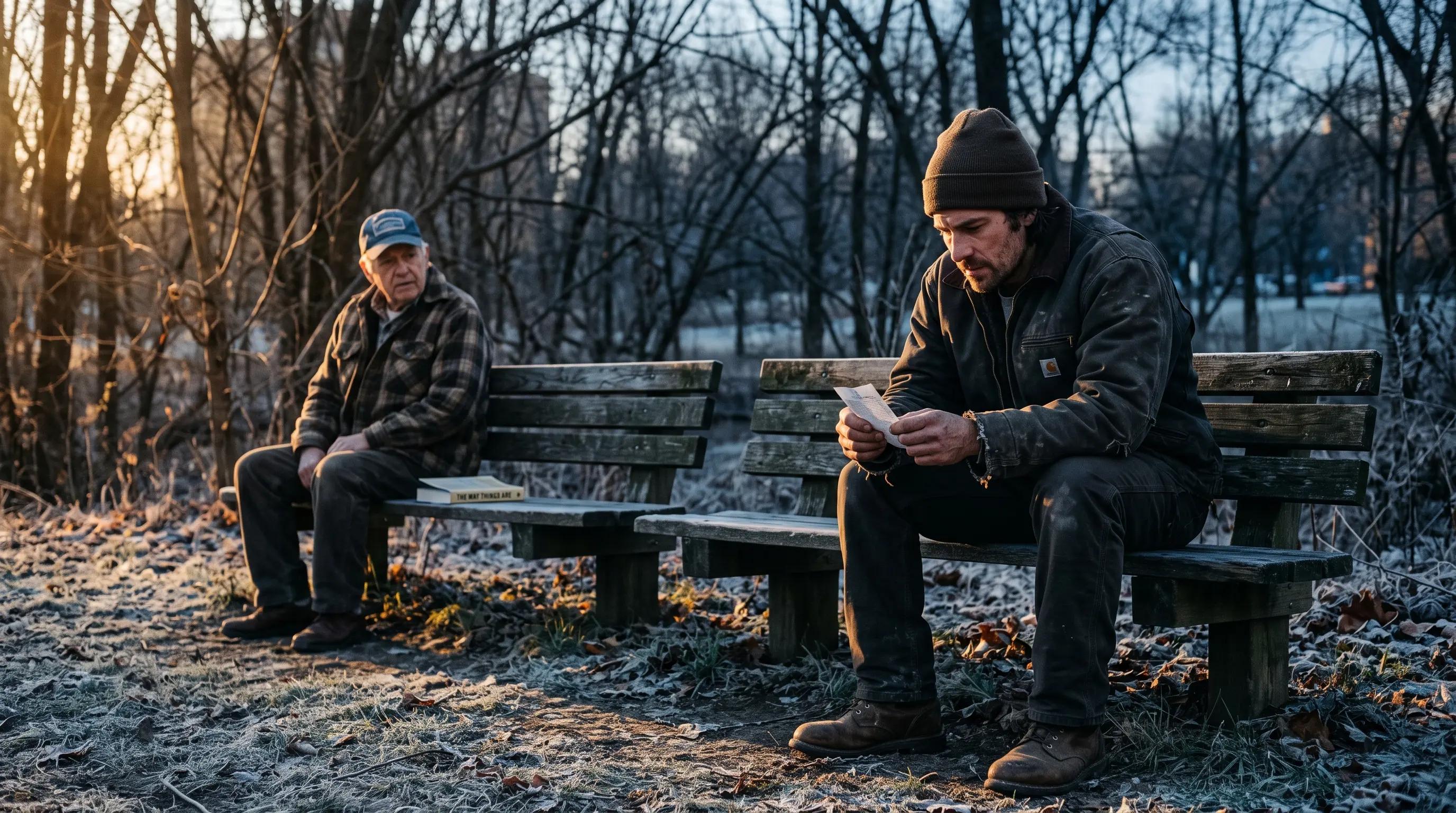
Michael Turner never imagined that walking away from a cup of coffee would become the first step toward changing his life. At thirty-four years old, he wasn't dreaming about becoming a millionaire. He simply wanted to stop feeling anxious every time he opened his banking app. What happened next began with a folded receipt and a number so small it seemed almost laughable.
He Could Never Save a Dollar, Until a 100-Year-Old Japanese Budget Changed His Life
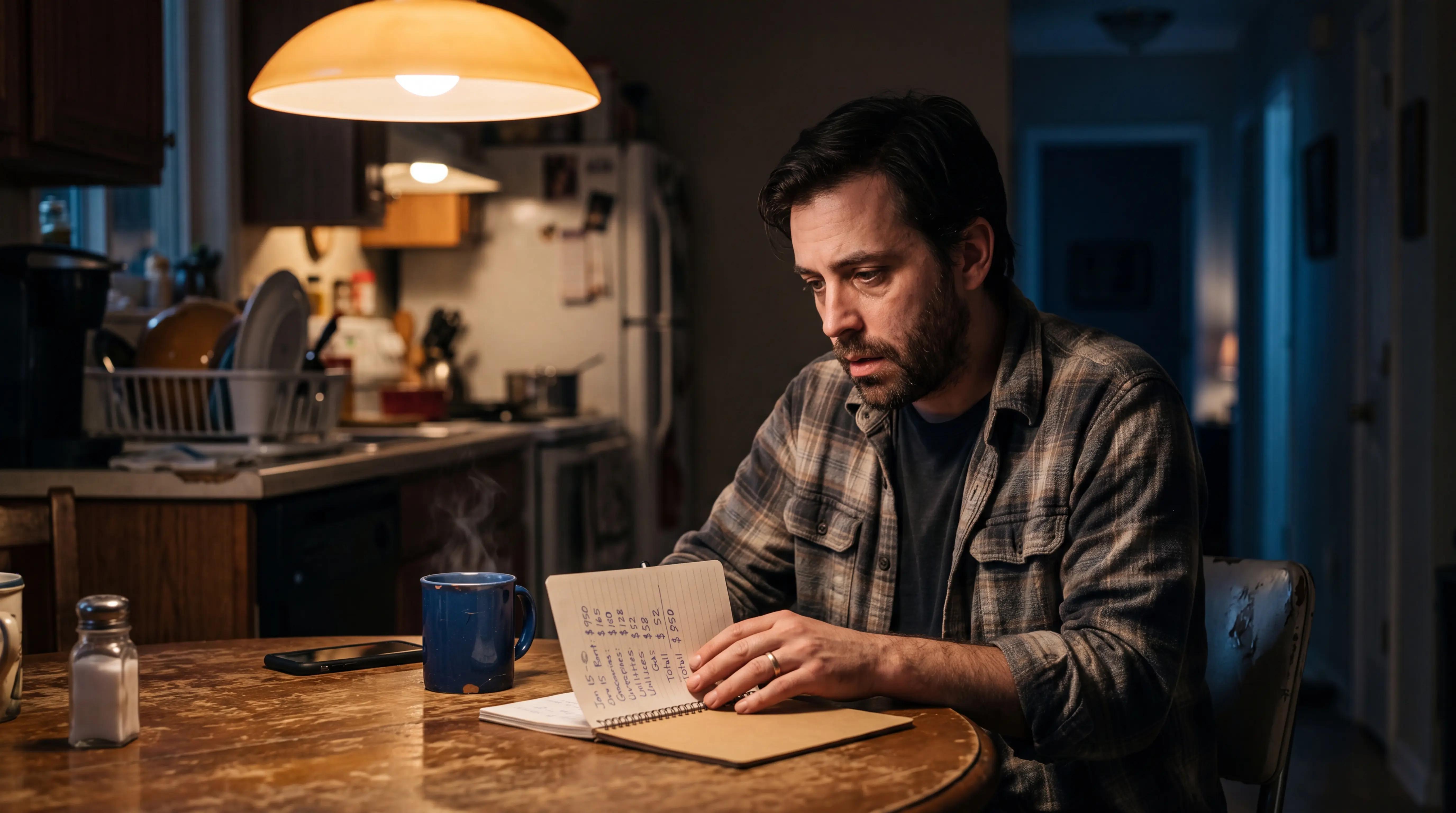
Ryan Parker hated payday. Not because he didn't earn enough, but because payday always gave him hope. And hope usually lasted about two days. When his elderly neighbor introduced him to a forgotten Japanese budgeting method called Kakeibo, Ryan discovered that financial freedom doesn't begin with earning more. It begins with finally paying attention.
The One-Hour Rule That Changed Everything
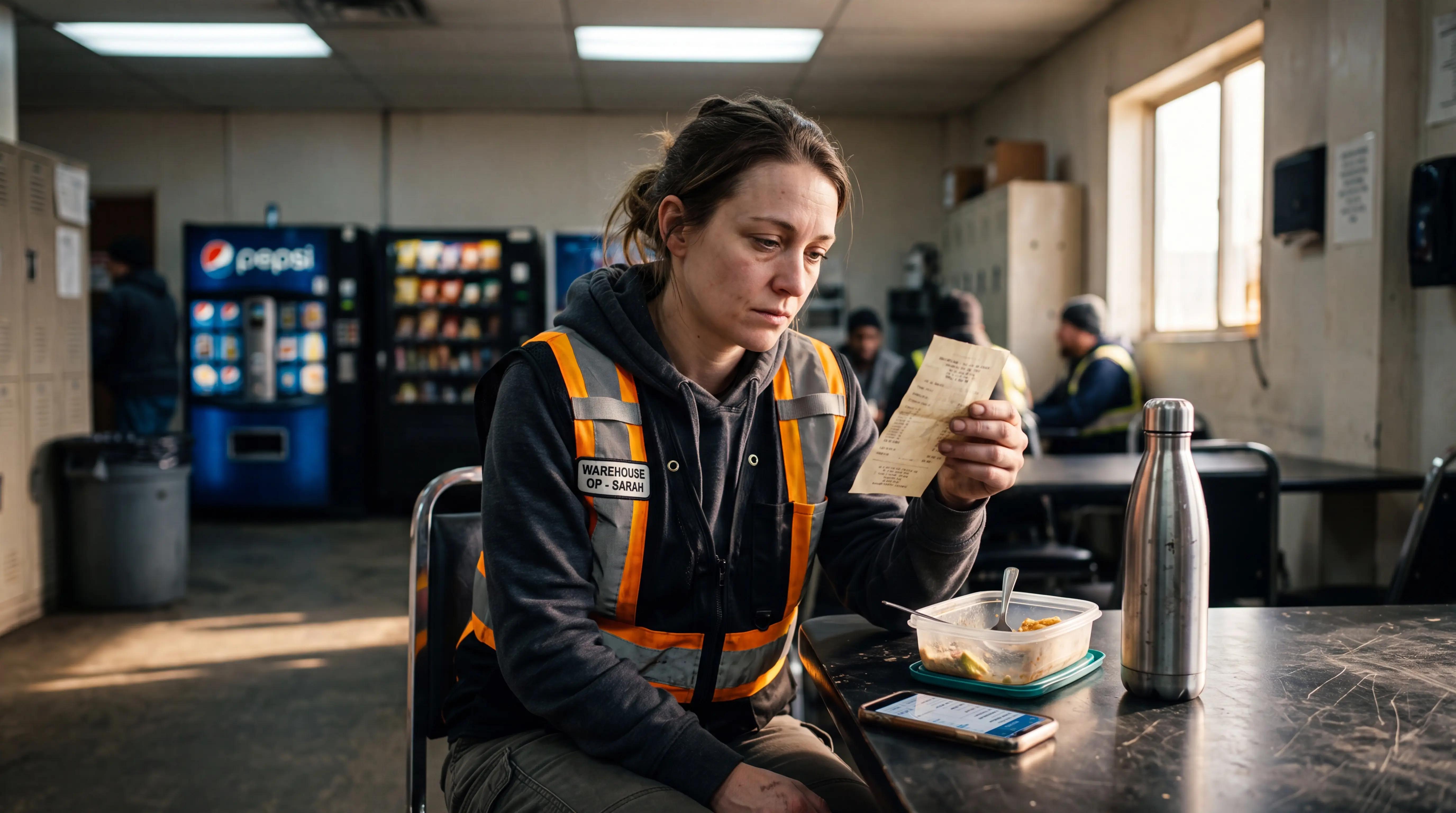
For years, Ava Mitchell believed saving money was something people with higher salaries did, not warehouse workers living paycheck to paycheck. Then a quiet maintenance worker shared one simple rule: "Keep one hour of every workday for yourself." At first, it sounded impossible. A year later, she realized those words had changed far more than her bank account.